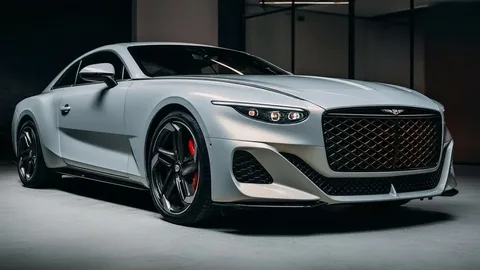
Choosing a new car in 2026 can be exciting, but it can also be confusing. Buyers now have more options than ever, including petrol cars, hybrids, electric vehicles, compact SUVs, family vehicles, luxury models, and performance cars.
The best car for one person may not be the best choice for another. A city driver may prioritize fuel economy and easy parking, while a family may need a spacious SUV with strong safety features. Someone who drives long distances may care more about reliability, comfort, and range.
This guide looks at some of the key factors to consider when choosing a car in 2026, including price, features, performance, fuel economy, technology, and practicality.
What Makes a Car Worth Buying in 2026?
The automotive market has changed significantly in recent years. Buyers are no longer looking only at engine size and exterior design.
Modern car shoppers often consider:
- Purchase price
- Fuel economy
- Reliability
- Safety technology
- Interior space
- Maintenance costs
- Infotainment features
- Driver-assistance systems
- Electric or hybrid technology
- Resale value
A good car should provide a balance between these factors rather than being excellent in only one area.
1. Toyota Camry
The Toyota Camry remains a strong option for buyers looking for a practical midsize sedan.
One of its major advantages is its reputation for reliability. The Camry also offers a comfortable interior, modern technology, and an efficient hybrid option in many markets.
For people who want a traditional sedan without giving up modern features, the Camry is worth considering.
Key Features
- Comfortable cabin
- Hybrid powertrain availability
- Modern infotainment system
- Advanced safety technology
- Good fuel efficiency
Best For
The Camry is particularly suitable for commuters, families, and drivers who want a dependable everyday vehicle.
2. Honda Accord
The Honda Accord continues to compete strongly in the midsize sedan category.
It combines practical interior space with a comfortable ride and modern technology. Depending on the market and trim, buyers can also find hybrid technology designed to reduce fuel consumption.
The Accord is a good choice for someone who wants a vehicle that works equally well for daily commuting and longer road trips.
Key Features
- Spacious cabin
- Comfortable ride
- Available hybrid technology
- Strong safety features
- Large trunk
Best For
The Accord is ideal for families, commuters, and drivers who prefer sedans over SUVs.
3. Toyota RAV4
SUVs remain extremely popular, and the Toyota RAV4 is one of the models worth considering in 2026.
Its combination of practicality, efficiency, cargo space, and available electrified powertrains makes it attractive to a wide range of buyers.
The higher driving position also provides the visibility many SUV buyers prefer.
Key Features
- Spacious interior
- Flexible cargo area
- Available hybrid technology
- Driver-assistance features
- Practical design
Best For
The RAV4 is a strong option for families and people who want SUV practicality without moving into a very large vehicle.
4. Honda CR-V
The Honda CR-V is another popular compact SUV.
It offers a comfortable interior, useful cargo space, and modern technology. Hybrid versions can also provide improved fuel efficiency for buyers who want to reduce their dependence on petrol.
The CR-V is particularly attractive to buyers who want a practical family vehicle that remains relatively easy to drive around town.
5. Tesla Model 3
For buyers interested in electric vehicles, the Tesla Model 3 remains an important model to consider.
Its appeal comes from its electric powertrain, software-focused design, charging ecosystem, and strong acceleration in performance-oriented versions.
Electric vehicles can also provide lower energy costs than petrol vehicles in situations where charging is convenient and electricity prices are favorable.
Key Features
- Fully electric powertrain
- Strong acceleration
- Software-focused controls
- Advanced driver-assistance options
- Minimalist interior
Best For
The Model 3 can be suitable for drivers who want an electric sedan for commuting and everyday driving.
6. Hyundai Tucson
The Hyundai Tucson is another compact SUV that deserves attention.
It combines a distinctive exterior design with a modern interior and a range of technology features. Depending on the market, buyers may have access to petrol, hybrid, or plug-in hybrid versions.
This variety allows customers to choose a powertrain that fits their driving habits.
7. Kia Sportage
The Kia Sportage stands out for its bold styling, roomy cabin, and technology-focused interior.
It offers many of the features modern buyers expect from a family SUV while remaining in the compact SUV category.
For buyers who want technology and practicality without immediately moving into a luxury vehicle, the Sportage can be an appealing option.
8. Ford Mustang
Not everyone shopping for a new car wants maximum practicality.
For drivers who value performance and driving enjoyment, the Ford Mustang remains an interesting choice.
The Mustang offers a long-running performance-car formula with powerful engines, sporty handling, and distinctive styling.
It is less practical than a family SUV, but that is not necessarily its purpose.
Best For
The Mustang is designed for drivers who prioritize performance, personality, and driving enjoyment.
9. BMW 3 Series
For buyers looking at the premium segment, the BMW 3 Series remains a major competitor.
It combines luxury features with sporty driving characteristics and a variety of powertrain options.
The 3 Series is particularly attractive to drivers who want a vehicle that can serve as both a comfortable daily car and an enjoyable performance-oriented vehicle.
10. Mercedes-Benz C-Class
The Mercedes-Benz C-Class is another popular premium sedan.
It focuses heavily on interior design, technology, comfort, and premium materials.
For buyers who want a luxury vehicle with a relatively manageable size, the C-Class can be a strong candidate.
Petrol vs Hybrid vs Electric Cars in 2026
One of the biggest decisions facing buyers is which type of powertrain to choose.
Petrol Cars
Petrol vehicles remain useful because fuel stations are widely available in many regions and long-distance travel does not require planning around charging infrastructure.
They can be especially practical for drivers who frequently travel long distances.
Hybrid Cars
Hybrids combine an internal-combustion engine with electric assistance.
They can reduce fuel consumption, particularly in city driving, without requiring drivers to depend entirely on charging infrastructure.
Electric Cars
Electric vehicles produce no tailpipe emissions and can offer quiet operation and instant torque.
However, buyers should consider charging availability, driving patterns, purchase price, battery warranty, and local electricity costs before choosing an EV.
Important Features to Look For
Regardless of which car you choose, there are several features worth prioritizing.
Safety Technology
Look for features such as automatic emergency braking, lane-departure warnings, blind-spot monitoring, adaptive cruise control, and parking assistance.
Fuel Efficiency
A vehicle that uses less fuel can save money over thousands of kilometers of driving.
Comfort
If you spend several hours behind the wheel every week, comfortable seats, good visibility, effective climate control, and low cabin noise can make a significant difference.
Technology
Modern infotainment systems, smartphone connectivity, navigation, digital displays, and useful driver-assistance technology can improve the ownership experience.
How Much Should You Spend on a Car?
There is no universal amount that every buyer should spend.
Instead of looking only at the sticker price, consider the total cost of ownership.
This can include:
- Financing costs
- Insurance
- Fuel or electricity
- Maintenance
- Repairs
- Tires
- Registration
- Depreciation
A cheaper vehicle can sometimes become more expensive over time if it has high fuel consumption or maintenance costs.
How to Choose the Right Car
Before visiting a dealership, make a list of your priorities.
Ask yourself:
- How many people will regularly use the car?
- How far do I drive each week?
- Do I have convenient access to EV charging?
- Do I need a large cargo area?
- Is fuel economy important?
- How much can I comfortably spend?
- Do I prioritize performance or comfort?
- How long do I plan to keep the vehicle?
Answering these questions can quickly narrow down your options.
Final Thoughts
The best cars to buy in 2026 depend heavily on individual needs and budget.
Models such as the Toyota Camry and Honda Accord can appeal to sedan buyers, while the Toyota RAV4, Honda CR-V, Hyundai Tucson, and Kia Sportage offer practical SUV alternatives. Electric options such as the Tesla Model 3 may appeal to drivers ready to switch away from petrol, while performance and luxury buyers have options such as the Ford Mustang, BMW 3 Series, and Mercedes-Benz C-Class.
Before purchasing, compare the exact model, trim, pricing, warranty, fuel economy, safety equipment, and availability in your local market. Prices and specifications can vary considerably between countries.
The smartest purchase is not necessarily the most expensive or most technologically advanced car. It is the one that fits your budget, driving habits, lifestyle, and long-term ownership plans.
Choosing a new car in 2026 can be exciting, but it can also be confusing. Buyers now have more options than ever, including petrol cars, hybrids, electric vehicles, compact SUVs, family vehicles, luxury models, and performance cars.
The best car for one person may not be the best choice for another. A city driver may prioritize fuel economy and easy parking, while a family may need a spacious SUV with strong safety features. Someone who drives long distances may care more about reliability, comfort, and range.
This guide looks at some of the key factors to consider when choosing a car in 2026, including price, features, performance, fuel economy, technology, and practicality.
What Makes a Car Worth Buying in 2026?
The automotive market has changed significantly in recent years. Buyers are no longer looking only at engine size and exterior design.
Modern car shoppers often consider:
- Purchase price
- Fuel economy
- Reliability
- Safety technology
- Interior space
- Maintenance costs
- Infotainment features
- Driver-assistance systems
- Electric or hybrid technology
- Resale value
A good car should provide a balance between these factors rather than being excellent in only one area.
1. Toyota Camry
The Toyota Camry remains a strong option for buyers looking for a practical midsize sedan.
One of its major advantages is its reputation for reliability. The Camry also offers a comfortable interior, modern technology, and an efficient hybrid option in many markets.
For people who want a traditional sedan without giving up modern features, the Camry is worth considering.
Key Features
- Comfortable cabin
- Hybrid powertrain availability
- Modern infotainment system
- Advanced safety technology
- Good fuel efficiency
Best For
The Camry is particularly suitable for commuters, families, and drivers who want a dependable everyday vehicle.
2. Honda Accord
The Honda Accord continues to compete strongly in the midsize sedan category.
It combines practical interior space with a comfortable ride and modern technology. Depending on the market and trim, buyers can also find hybrid technology designed to reduce fuel consumption.
The Accord is a good choice for someone who wants a vehicle that works equally well for daily commuting and longer road trips.
Key Features
- Spacious cabin
- Comfortable ride
- Available hybrid technology
- Strong safety features
- Large trunk
Best For
The Accord is ideal for families, commuters, and drivers who prefer sedans over SUVs.
3. Toyota RAV4
SUVs remain extremely popular, and the Toyota RAV4 is one of the models worth considering in 2026.
Its combination of practicality, efficiency, cargo space, and available electrified powertrains makes it attractive to a wide range of buyers.
The higher driving position also provides the visibility many SUV buyers prefer.
Key Features
- Spacious interior
- Flexible cargo area
- Available hybrid technology
- Driver-assistance features
- Practical design
Best For
The RAV4 is a strong option for families and people who want SUV practicality without moving into a very large vehicle.
4. Honda CR-V
The Honda CR-V is another popular compact SUV.
It offers a comfortable interior, useful cargo space, and modern technology. Hybrid versions can also provide improved fuel efficiency for buyers who want to reduce their dependence on petrol.
The CR-V is particularly attractive to buyers who want a practical family vehicle that remains relatively easy to drive around town.
5. Tesla Model 3
For buyers interested in electric vehicles, the Tesla Model 3 remains an important model to consider.
Its appeal comes from its electric powertrain, software-focused design, charging ecosystem, and strong acceleration in performance-oriented versions.
Electric vehicles can also provide lower energy costs than petrol vehicles in situations where charging is convenient and electricity prices are favorable.
Key Features
- Fully electric powertrain
- Strong acceleration
- Software-focused controls
- Advanced driver-assistance options
- Minimalist interior
Best For
The Model 3 can be suitable for drivers who want an electric sedan for commuting and everyday driving.
6. Hyundai Tucson
The Hyundai Tucson is another compact SUV that deserves attention.
It combines a distinctive exterior design with a modern interior and a range of technology features. Depending on the market, buyers may have access to petrol, hybrid, or plug-in hybrid versions.
This variety allows customers to choose a powertrain that fits their driving habits.
7. Kia Sportage
The Kia Sportage stands out for its bold styling, roomy cabin, and technology-focused interior.
It offers many of the features modern buyers expect from a family SUV while remaining in the compact SUV category.
For buyers who want technology and practicality without immediately moving into a luxury vehicle, the Sportage can be an appealing option.
8. Ford Mustang
Not everyone shopping for a new car wants maximum practicality.
For drivers who value performance and driving enjoyment, the Ford Mustang remains an interesting choice.
The Mustang offers a long-running performance-car formula with powerful engines, sporty handling, and distinctive styling.
It is less practical than a family SUV, but that is not necessarily its purpose.
Best For
The Mustang is designed for drivers who prioritize performance, personality, and driving enjoyment.
9. BMW 3 Series
For buyers looking at the premium segment, the BMW 3 Series remains a major competitor.
It combines luxury features with sporty driving characteristics and a variety of powertrain options.
The 3 Series is particularly attractive to drivers who want a vehicle that can serve as both a comfortable daily car and an enjoyable performance-oriented vehicle.
10. Mercedes-Benz C-Class
The Mercedes-Benz C-Class is another popular premium sedan.
It focuses heavily on interior design, technology, comfort, and premium materials.
For buyers who want a luxury vehicle with a relatively manageable size, the C-Class can be a strong candidate.
Petrol vs Hybrid vs Electric Cars in 2026
One of the biggest decisions facing buyers is which type of powertrain to choose.
Petrol Cars
Petrol vehicles remain useful because fuel stations are widely available in many regions and long-distance travel does not require planning around charging infrastructure.
They can be especially practical for drivers who frequently travel long distances.
Hybrid Cars
Hybrids combine an internal-combustion engine with electric assistance.
They can reduce fuel consumption, particularly in city driving, without requiring drivers to depend entirely on charging infrastructure.
Electric Cars
Electric vehicles produce no tailpipe emissions and can offer quiet operation and instant torque.
However, buyers should consider charging availability, driving patterns, purchase price, battery warranty, and local electricity costs before choosing an EV.
Important Features to Look For
Regardless of which car you choose, there are several features worth prioritizing.
Safety Technology
Look for features such as automatic emergency braking, lane-departure warnings, blind-spot monitoring, adaptive cruise control, and parking assistance.
Fuel Efficiency
A vehicle that uses less fuel can save money over thousands of kilometers of driving.
Comfort
If you spend several hours behind the wheel every week, comfortable seats, good visibility, effective climate control, and low cabin noise can make a significant difference.
Technology
Modern infotainment systems, smartphone connectivity, navigation, digital displays, and useful driver-assistance technology can improve the ownership experience.
How Much Should You Spend on a Car?
There is no universal amount that every buyer should spend.
Instead of looking only at the sticker price, consider the total cost of ownership.
This can include:
- Financing costs
- Insurance
- Fuel or electricity
- Maintenance
- Repairs
- Tires
- Registration
- Depreciation
A cheaper vehicle can sometimes become more expensive over time if it has high fuel consumption or maintenance costs.
How to Choose the Right Car
Before visiting a dealership, make a list of your priorities.
Ask yourself:
- How many people will regularly use the car?
- How far do I drive each week?
- Do I have convenient access to EV charging?
- Do I need a large cargo area?
- Is fuel economy important?
- How much can I comfortably spend?
- Do I prioritize performance or comfort?
- How long do I plan to keep the vehicle?
Answering these questions can quickly narrow down your options.
Final Thoughts
The best cars to buy in 2026 depend heavily on individual needs and budget.
Models such as the Toyota Camry and Honda Accord can appeal to sedan buyers, while the Toyota RAV4, Honda CR-V, Hyundai Tucson, and Kia Sportage offer practical SUV alternatives. Electric options such as the Tesla Model 3 may appeal to drivers ready to switch away from petrol, while performance and luxury buyers have options such as the Ford Mustang, BMW 3 Series, and Mercedes-Benz C-Class.
Before purchasing, compare the exact model, trim, pricing, warranty, fuel economy, safety equipment, and availability in your local market. Prices and specifications can vary considerably between countries.
The smartest purchase is not necessarily the most expensive or most technologically advanced car. It is the one that fits your budget, driving habits, lifestyle, and long-term ownership plans.