Tag: Automobile

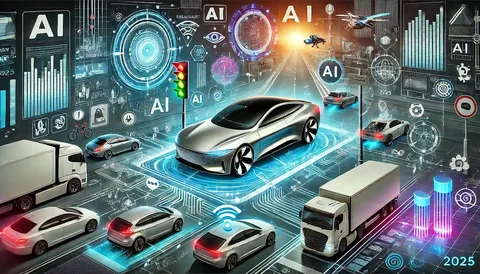
  • How AI Is Changing the Automobile Industry in 2026

    How AI Is Changing the Automobile Industry in 2026

    Artificial intelligence is transforming the automobile industry at a remarkable pace.

    For more than a century, automotive innovation focused heavily on engines, transmissions, materials, and mechanical engineering. Today, software and artificial intelligence are becoming equally important.

    AI is being used in vehicle manufacturing, driver-assistance systems, navigation, predictive maintenance, electric vehicles, customer service, and autonomous-driving research.

    The result is a gradual shift toward vehicles that can understand their surroundings, learn from data, communicate with drivers, and make certain decisions automatically.

    What Is AI Doing in Cars?

    Artificial intelligence allows vehicles to process information and identify patterns.

    Modern vehicles can collect information from cameras, radar, ultrasonic sensors, GPS systems, and other components.

    AI software can then analyze this information to help the vehicle understand its surroundings.

    For example, a car may identify:

    • Other vehicles
    • Pedestrians
    • Traffic signs
    • Road markings
    • Obstacles
    • Traffic conditions
    • Parking spaces

    This information can support safety and convenience features.

    AI-Powered Driver Assistance

    One of the most visible uses of AI is advanced driver assistance.

    Modern vehicles can offer features such as:

    • Automatic emergency braking
    • Lane departure warnings
    • Adaptive cruise control
    • Blind-spot monitoring
    • Traffic-sign recognition
    • Parking assistance
    • Driver monitoring

    These systems are designed to assist drivers rather than eliminate the need for human attention.

    Drivers should always understand the limitations of their vehicle’s assistance systems.

    Self-Driving Technology

    Autonomous driving is one of the most discussed applications of AI in automobiles.

    Self-driving technology uses cameras, radar, sensors, maps, and software to understand the road and make driving decisions.

    However, autonomous driving exists at different levels.

    Some systems provide relatively limited assistance, while others can perform more driving tasks under specific conditions.

    Fully autonomous vehicles capable of handling every road situation without human supervision remain a much more difficult engineering challenge.

    AI and Electric Vehicles

    Artificial intelligence is particularly useful for electric vehicles.

    EVs contain sophisticated battery-management systems that monitor battery temperature, charging, energy usage, and performance.

    AI can help optimize energy consumption and predict how much range may remain.

    This can help drivers make better decisions about charging and route planning.

    Predictive Maintenance

    Traditional vehicle maintenance often follows a fixed schedule.

    AI can potentially make maintenance more predictive.

    A vehicle can monitor sensors and identify unusual behavior before a component fails.

    For example, software could detect changes in temperature, vibration, battery performance, or other measurements.

    Instead of waiting for a problem to become obvious, a vehicle could potentially alert the owner that inspection may be necessary.

    This could reduce unexpected breakdowns.

    AI-Powered Navigation

    Navigation systems have also become smarter.

    AI can analyze traffic patterns and other information to recommend routes.

    Instead of simply selecting the shortest physical route, an intelligent navigation system can consider congestion and changing road conditions.

    In the future, vehicles may increasingly combine navigation data with real-time vehicle information to optimize energy consumption and arrival times.

    AI in Vehicle Manufacturing

    AI is not only changing the cars themselves.

    Manufacturers are also using artificial intelligence in factories.

    AI-powered systems can inspect components, identify manufacturing defects, predict equipment failures, and optimize production processes.

    Computer vision systems can examine parts faster and more consistently than traditional manual inspection in certain applications.

    Robotic systems can also work alongside human employees to perform repetitive manufacturing tasks.

    AI and Car Design

    Artificial intelligence can assist automotive engineers during the design process.

    Engineers can use computational tools to test different shapes, materials, structures, and aerodynamic configurations.

    AI can analyze large numbers of potential designs and identify promising solutions.

    This can reduce the amount of time required to explore certain engineering possibilities.

    AI-Powered Voice Assistants

    Voice control is becoming increasingly common in modern vehicles.

    Drivers can use voice commands to control navigation, make calls, adjust certain settings, select music, or access information.

    AI-based voice systems are becoming better at understanding natural language.

    Instead of memorizing exact commands, drivers may increasingly be able to speak to their vehicles more naturally.

    Personalized Vehicle Experiences

    AI can also personalize the driving experience.

    A vehicle could potentially learn a driver’s preferences for:

    • Seat position
    • Climate settings
    • Navigation
    • Music
    • Driving modes
    • Frequently visited destinations

    Different drivers can then receive customized settings when they use the same vehicle.

    AI and Vehicle Safety

    Safety may be one of the most important benefits of automotive AI.

    Human drivers can become distracted, tired, or overwhelmed.

    AI systems do not experience fatigue in the same way humans do.

    Driver-monitoring systems can watch for signs of distraction or reduced attention and issue warnings when appropriate.

    External sensors can also help identify hazards that a driver might not notice immediately.

    However, AI systems can also make mistakes, which is why human supervision remains important for many current systems.

    AI and Cybersecurity

    As vehicles become more connected, cybersecurity becomes increasingly important.

    Modern cars can communicate with smartphones, cloud services, navigation systems, charging networks, and other devices.

    This creates additional opportunities for useful features but also increases the number of systems that need protection.

    Automakers therefore need strong cybersecurity practices to protect vehicle software and user data.

    AI and Car Insurance

    Artificial intelligence could also influence insurance.

    Connected vehicles can collect information about driving behavior, vehicle usage, and accidents.

    Insurers may use data to better understand risk.

    However, this raises questions about privacy, data ownership, transparency, and how driving information is used.

    Consumers will need to understand what information their vehicles collect and how that data is shared.

    AI in Used-Car Buying

    AI is also beginning to influence the way people shop for vehicles.

    Online platforms can use algorithms to recommend cars based on budget, preferences, location, and previous searches.

    AI can also help analyze vehicle listings and organize information about features and pricing.

    However, buyers should still inspect vehicles physically and verify important information before purchasing.

    Challenges of AI in Cars

    Artificial intelligence offers major opportunities, but it also introduces challenges.

    Reliability

    AI systems must work correctly in difficult weather, unusual road conditions, and unexpected situations.

    Privacy

    Connected vehicles can collect large amounts of information.

    Cybersecurity

    More connected systems create additional potential attack surfaces.

    Cost

    Advanced sensors and computing systems can increase vehicle prices.

    Regulation

    Governments must establish appropriate rules for increasingly automated vehicles.

    Will AI Replace Human Drivers?

    It is unlikely that human driving will disappear everywhere at the same time.

    Different countries have different roads, regulations, infrastructure, weather conditions, and technological adoption rates.

    For the foreseeable future, many drivers will use vehicles that combine human control with AI assistance.

    Fully autonomous transportation may eventually become more widespread in carefully controlled environments, but widespread autonomy across every road remains a complex challenge.

    The Future of AI in Automobiles

    The automotive industry is moving toward a future where cars are increasingly software-defined.

    Future vehicles may receive software updates, learn driver preferences, optimize energy usage, communicate with infrastructure, and provide increasingly sophisticated assistance.

    Electric vehicles are likely to accelerate this transition because their powertrains are already heavily controlled by software.

    The vehicle of the future may therefore be less like a traditional mechanical machine and more like a connected computing platform that happens to move.

    Final Thoughts

    Artificial intelligence is changing almost every stage of the automobile industry.

    It is helping manufacturers improve production, assisting engineers with vehicle design, supporting drivers with safety systems, improving navigation, monitoring vehicle health, and optimizing electric-vehicle performance.

    Self-driving technology remains one of the most ambitious applications, but AI is already delivering practical benefits through driver assistance and vehicle intelligence.

    At the same time, challenges involving safety, privacy, cybersecurity, cost, and regulation must be addressed.

    As AI technology continues to improve, cars will likely become more connected, more intelligent, and increasingly capable of assisting drivers.

    The automotive industry is no longer just about horsepower and mechanical engineering. In 2026 and beyond, software, data, and artificial intelligence are becoming central parts of the driving experience.
  • Best Cars for Nigerian Roads: What Buyers Should Look For

    Best Cars for Nigerian Roads: What Buyers Should Look For

    Buying a car in Nigeria requires more thought than simply choosing a vehicle that looks good in a showroom. Nigerian drivers deal with a wide variety of road conditions, traffic patterns, weather, fuel considerations, and maintenance challenges.

    A car that performs perfectly on smooth highways may not necessarily be the best choice for roads with potholes, rough surfaces, flooding, or heavy traffic.

    For this reason, Nigerian car buyers should focus on reliability, ground clearance, fuel economy, spare-parts availability, ease of maintenance, air conditioning, and overall durability.

    This guide explores some of the car types and models worth considering and explains what to look for before making a purchase.

    What Makes a Car Good for Nigerian Roads?

    There is no single vehicle that is perfect for every Nigerian driver.

    Someone who mostly drives around Lagos may have very different requirements from someone who regularly travels between states.

    However, several characteristics can make a vehicle more suitable for Nigerian conditions.

    These include:

    • Good ground clearance
    • Strong suspension
    • Reliable engine
    • Efficient cooling system
    • Good air conditioning
    • Reasonable fuel consumption
    • Availability of spare parts
    • Affordable maintenance
    • Strong tires
    • Comfortable interior

    A vehicle’s ability to handle rough roads is particularly important.

    1. Toyota Corolla

    The Toyota Corolla is one of the most recognizable cars on Nigerian roads.

    Its popularity is partly connected to its reputation for reliability and the widespread availability of mechanics and replacement parts familiar with the model.

    The Corolla is also relatively easy to drive in urban environments.

    Why Consider It?

    • Reliable powertrain
    • Good fuel economy
    • Easy maintenance
    • Widely available parts
    • Comfortable for everyday driving

    A Corolla can be a practical choice for commuters, students, families, and business users.

    2. Toyota Camry

    The Toyota Camry is another common choice for Nigerian drivers.

    It offers more interior space than the Corolla and provides a comfortable ride for longer journeys.

    Camry models are available with different engines and specifications depending on the year and market.

    Before purchasing a used Camry, however, buyers should pay close attention to its maintenance history.

    A poorly maintained vehicle can become expensive regardless of its reputation.

    3. Toyota RAV4

    For buyers who want additional ground clearance and SUV practicality, the Toyota RAV4 is worth considering.

    Its elevated driving position and practical cargo area make it useful for both city driving and longer trips.

    The RAV4 can also be attractive to families who need more space than a sedan provides.

    4. Honda CR-V

    The Honda CR-V is another popular compact SUV.

    It provides a comfortable interior, useful cargo space, and a higher driving position.

    For Nigerian drivers who regularly encounter rough roads, the additional ground clearance offered by an SUV can be useful.

    However, buyers should still inspect suspension components carefully, particularly when purchasing a used vehicle.

    5. Toyota Highlander

    The Toyota Highlander provides more space than smaller SUVs.

    It can be suitable for larger families or drivers who regularly travel long distances with passengers and luggage.

    Its size does mean that fuel consumption can be higher than that of a compact sedan, so buyers should consider their budget carefully.

    6. Honda Accord

    The Honda Accord combines comfortable road manners with a spacious interior.

    It can be a good option for people who prefer sedans but want more room than a compact car.

    As with any used vehicle, the condition of the individual car is more important than simply choosing a popular model.

    7. Lexus RX

    For buyers looking for a more premium SUV, the Lexus RX can provide comfort, technology, and a refined driving experience.

    Lexus vehicles are closely related to Toyota’s engineering philosophy, which contributes to their popularity among buyers who value reliability.

    However, luxury vehicles can have higher repair and maintenance costs than mainstream models.

    8. Toyota Hilux

    For drivers who regularly deal with difficult roads, rural areas, farms, construction sites, or heavy-duty work, a pickup truck may be more appropriate.

    The Toyota Hilux is well known for its rugged design and utility-focused capabilities.

    It provides a useful combination of cargo capacity and off-road capability.

    Best For

    • Business users
    • Construction work
    • Rural travel
    • Heavy-duty transportation
    • Drivers who need a pickup

    9. Ford Ranger

    The Ford Ranger is another pickup truck option.

    It combines utility with modern technology and can be suitable for drivers who need a vehicle capable of handling demanding conditions.

    Different Ranger generations have different engines and specifications, so buyers should research the exact model year.

    Ground Clearance Matters

    Ground clearance is particularly important when driving on uneven roads.

    A vehicle with greater clearance has more space between the road surface and the underside of the vehicle.

    This can reduce the risk of scraping components when passing over potholes, steep ramps, or rough surfaces.

    However, high ground clearance does not automatically make a vehicle indestructible.

    Drivers still need to slow down on rough roads.

    Suspension Strength

    Suspension components experience significant stress on poor roads.

    Before purchasing a used vehicle, inspect:

    • Shock absorbers
    • Bushings
    • Control arms
    • Ball joints
    • Tie rods
    • Wheel bearings

    Strange noises, excessive bouncing, uneven tire wear, or steering problems can indicate suspension issues.

    Fuel Economy

    Fuel consumption should be an important consideration.

    Large SUVs and powerful engines can consume considerably more fuel than compact sedans.

    If most of your driving takes place in heavy traffic, fuel consumption can increase further.

    A smaller, efficient vehicle may therefore make more financial sense for daily urban commuting.

    Air Conditioning

    Air conditioning is not a luxury in Nigeria. For many drivers, it is an essential feature.

    Before buying a used car, test the air-conditioning system carefully.

    Check whether:

    • Cold air comes out quickly
    • The blower works at different speeds
    • The compressor operates properly
    • There are unusual noises
    • The system remains cold while the vehicle is stationary

    Air-conditioning repairs can become expensive depending on the problem.

    Cooling System

    Nigeria’s hot climate makes engine cooling particularly important.

    Check the radiator, coolant system, cooling fans, hoses, and temperature gauge.

    Never ignore signs of overheating.

    An overheating engine can suffer serious damage.

    Spare Parts and Mechanics

    A vehicle can be mechanically excellent but difficult to own if replacement parts are unavailable.

    Before buying a less-common model, find out whether parts are readily available in your area.

    Also consider whether qualified mechanics understand the vehicle.

    Popular models often have an advantage because more mechanics have experience servicing them.

    New vs Used Cars in Nigeria

    A new vehicle provides the advantage of being unused and usually comes with a manufacturer warranty.

    However, new cars can be expensive.

    Used cars can offer better value but require careful inspection.

    If buying used, check:

    • Vehicle history
    • Accident history
    • Engine condition
    • Transmission
    • Suspension
    • Electrical systems
    • Air conditioning
    • Tires
    • Interior condition
    • Chassis condition

    A trusted mechanic can help identify problems before purchase.

    What About Electric Cars?

    Electric vehicles are gradually gaining attention in Nigeria.

    They can offer low running costs and quiet driving, but buyers should carefully consider charging infrastructure and electricity availability.

    Before purchasing an EV, investigate where you can charge it regularly.

    You should also confirm the availability of qualified technicians, replacement parts, and battery support.

    Final Thoughts

    The best car for Nigerian roads depends on where you drive, how far you travel, your budget, and how you intend to use the vehicle.

    Toyota Corolla and Honda Accord can be practical choices for everyday sedan driving, while vehicles such as the Toyota RAV4 and Honda CR-V provide additional SUV practicality.

    For more demanding conditions, pickups such as the Toyota Hilux and Ford Ranger can offer greater utility.

    Regardless of the model, condition matters enormously when buying a used vehicle.

    Before spending your money, inspect the engine, transmission, suspension, cooling system, air conditioning, tires, and electrical components.

    Most importantly, choose a vehicle that you can comfortably maintain. A car that fits your budget at the dealership but becomes difficult to service later may not be a good bargain.

    For Nigerian drivers, reliability and practicality should usually come before appearance alone.

  • Best Fuel-Efficient Cars in 2026: Top Choices for Saving Money

    Best Fuel-Efficient Cars in 2026: Top Choices for Saving Money

    Fuel efficiency has become one of the most important factors for car buyers in 2026. With fuel prices, maintenance costs, and everyday transportation expenses affecting household budgets, many drivers are looking for vehicles that can travel farther while using less fuel.

    A fuel-efficient car can help reduce the amount spent at the pump, particularly for people who drive long distances every week. Hybrid vehicles have also become increasingly popular because they combine an internal-combustion engine with electric assistance to improve efficiency.

    However, fuel economy is not the only factor worth considering. Reliability, purchase price, maintenance costs, practicality, safety, and driving conditions can all affect whether a vehicle represents good value.

    Here are some fuel-efficient cars worth considering in 2026.

    What Makes a Car Fuel Efficient?

    Fuel efficiency refers to how effectively a vehicle uses its fuel.

    Several factors influence fuel consumption, including:

    • Engine size
    • Vehicle weight
    • Aerodynamics
    • Transmission
    • Driving style
    • Tire pressure
    • Traffic conditions
    • Hybrid technology
    • Vehicle maintenance

    Smaller vehicles generally use less fuel, but modern hybrid systems have allowed larger cars and SUVs to achieve impressive efficiency as well.

    1. Toyota Prius

    The Toyota Prius remains one of the most recognizable hybrid cars in the world.

    Its hybrid powertrain combines a petrol engine with electric motors and a battery system.

    The Prius is particularly effective in city driving because the hybrid system can use electric power during certain conditions and recover energy through regenerative braking.

    Why Consider the Prius?

    • Excellent fuel economy
    • Hybrid technology
    • Comfortable interior
    • Strong reliability reputation
    • Low-emission driving

    For drivers who prioritize efficiency above almost everything else, the Prius remains an important vehicle to consider.

    2. Toyota Corolla Hybrid

    The Toyota Corolla Hybrid provides a combination of practicality, efficiency, and relatively familiar sedan design.

    It is particularly attractive to drivers who want hybrid technology without moving into a larger SUV.

    The Corolla is also available in several body styles in different markets, giving buyers more flexibility.

    Best For

    • Daily commuting
    • City driving
    • Families
    • Long-term ownership

    3. Honda Civic Hybrid

    The Honda Civic has long been popular because of its balance between practicality and driving characteristics.

    Hybrid versions add an efficiency-focused powertrain that can reduce fuel consumption compared with conventional petrol models.

    The Civic also provides useful interior space without becoming a large vehicle.

    4. Hyundai Elantra Hybrid

    The Hyundai Elantra Hybrid is another sedan designed with fuel economy in mind.

    Its aerodynamic shape and hybrid powertrain help it achieve efficient operation.

    For buyers who want a modern sedan with a focus on running costs, the Elantra Hybrid can be worth considering.

    5. Kia Niro Hybrid

    The Kia Niro is aimed at buyers who want the practicality of a compact crossover while maintaining strong fuel efficiency.

    Its elevated driving position gives it some of the characteristics SUV buyers appreciate, while its hybrid system helps reduce petrol consumption.

    The Niro can be a practical compromise for drivers who do not want a traditional sedan.

    6. Toyota Yaris Hybrid

    The Toyota Yaris Hybrid is a small car designed primarily for efficient urban transportation.

    Its compact size makes it easy to maneuver through busy streets and parking areas.

    Small hybrid cars can be especially efficient in stop-and-go traffic because their powertrains can take advantage of regenerative braking and electric assistance.

    7. Hyundai Ioniq Hybrid

    Although availability can vary by market, the Hyundai Ioniq Hybrid has been recognized for its efficiency-focused design.

    Its aerodynamic body and hybrid system were developed with fuel economy as a major priority.

    Used examples may also be worth considering for buyers who want to enter the hybrid market at a lower price.

    8. Toyota Camry Hybrid

    Not everyone who wants fuel efficiency wants a small car.

    The Toyota Camry Hybrid provides a larger sedan option while still focusing heavily on efficiency.

    Its additional interior space makes it suitable for families and drivers who regularly travel longer distances.

    It can be a useful choice for someone who wants comfort without accepting the fuel consumption of a large conventional vehicle.

    9. Honda Accord Hybrid

    The Honda Accord Hybrid combines a spacious midsize sedan body with hybrid technology.

    It can provide a good balance between comfort, performance, and fuel economy.

    For drivers who spend significant amounts of time on the road, the Accord’s larger cabin and comfortable driving characteristics can be attractive.

    10. Lexus ES Hybrid

    Luxury and fuel efficiency do not always have to be opposites.

    The Lexus ES Hybrid combines premium comfort with hybrid technology.

    It is designed for buyers who want a quieter and more luxurious driving experience while still paying attention to fuel consumption.

    The purchase price is higher than many economy cars, but some buyers may consider the combination of comfort, efficiency, and premium features worthwhile.

    Why Hybrid Cars Are So Fuel Efficient

    Hybrid vehicles use two main sources of propulsion: an internal-combustion engine and an electric motor.

    The vehicle can use electric assistance under certain conditions, reducing the amount of work required from the petrol engine.

    Hybrid systems can also recover energy during braking.

    In a conventional car, much of the energy involved in slowing down is converted into heat through the brakes.

    A hybrid can capture some of that energy and store it in the battery.

    This stored energy can then be used later to assist the vehicle.

    Are Small Cars Always More Fuel Efficient?

    Not necessarily.

    Vehicle size is important, but modern technology can significantly affect fuel consumption.

    A larger hybrid vehicle can sometimes use less fuel than a smaller conventional vehicle depending on the engine, driving conditions, and efficiency of the hybrid system.

    This is why buyers should compare the actual fuel-economy figures of individual models instead of assuming that the smallest vehicle is automatically the most efficient.

    How Driving Style Affects Fuel Economy

    Even an efficient car can consume significant amounts of fuel if it is driven aggressively.

    Rapid acceleration, high speeds, heavy braking, and unnecessary idling can increase fuel consumption.

    Drivers can improve efficiency by:

    • Accelerating smoothly
    • Maintaining steady speeds
    • Avoiding unnecessary idling
    • Keeping tires properly inflated
    • Removing unnecessary weight
    • Using cruise control when appropriate
    • Maintaining the vehicle regularly

    Small changes in driving habits can add up over thousands of kilometers.

    City Driving vs Highway Driving

    Fuel efficiency varies depending on driving conditions.

    Hybrid vehicles can be particularly effective in city traffic because regenerative braking and electric assistance can reduce fuel consumption during repeated acceleration and deceleration.

    Highway driving can favor conventional vehicles with efficient engines because there is less stopping and starting.

    However, the exact results depend on the vehicle.

    Does Air Conditioning Increase Fuel Consumption?

    Yes, using air conditioning can increase energy consumption.

    In petrol vehicles, the engine must provide energy to operate the air-conditioning system.

    The impact varies according to weather, vehicle design, temperature settings, and driving conditions.

    In hot climates, however, turning off the air conditioner may not be a practical solution. Comfort and safety should still come first.

    Maintaining the air-conditioning system properly can help it operate efficiently.

    What About Electric Cars?

    Electric cars do not use petrol, so they technically do not have fuel economy in the traditional sense.

    Instead, EV efficiency is measured by how much electricity is required to travel a certain distance.

    For drivers primarily interested in reducing petrol consumption, an EV can eliminate petrol use entirely.

    However, charging availability and electricity costs need to be considered.

    Best Fuel-Efficient Car for Nigerian Drivers

    Fuel efficiency can be particularly important for drivers in Nigeria because daily transportation costs can add up quickly.

    However, Nigerian buyers should consider more than official fuel-economy figures.

    Traffic congestion, road conditions, air-conditioning use, vehicle maintenance, fuel availability, spare parts, and driving distances can all influence real-world fuel consumption.

    Hybrid vehicles may be attractive to city drivers who experience frequent stop-and-go traffic, provided servicing and parts support are available.

    A conventional petrol vehicle may still be more practical for drivers who regularly travel through areas where hybrid or EV servicing is limited.

    New vs Used Fuel-Efficient Cars

    Buying a used fuel-efficient car can reduce the initial purchase cost.

    However, buyers should inspect the vehicle carefully.

    For a conventional car, check:

    • Engine condition
    • Transmission
    • Suspension
    • Tires
    • Service history
    • Cooling system
    • Air conditioning
    • Electrical systems

    For a hybrid, battery condition and hybrid-system health are also important.

    A vehicle that appears cheap may become expensive if it requires major repairs shortly after purchase.

    Total Cost of Ownership

    Fuel economy is only one part of the financial equation.

    Before buying a car, calculate:

    Purchase price + fuel costs + maintenance + insurance + repairs + taxes/registration + depreciation

    A car that saves money on fuel but costs significantly more to purchase may not always be the cheapest option overall.

    The ideal vehicle provides a good balance between purchase price and long-term operating costs.

    Final Thoughts

    Fuel-efficient cars can make a significant difference to the cost of everyday driving.

    Models such as the Toyota Prius, Toyota Corolla Hybrid, Honda Civic Hybrid, Hyundai Elantra Hybrid, Kia Niro, Toyota Yaris Hybrid, Toyota Camry Hybrid, and Honda Accord Hybrid offer different combinations of efficiency, practicality, comfort, and performance.

    For luxury buyers, hybrid models such as the Lexus ES Hybrid provide another option.

    Before choosing a vehicle, look beyond the advertised fuel-economy number. Consider your driving environment, annual mileage, fuel prices, maintenance costs, purchase budget, and availability of parts and servicing.

    For many drivers, a hybrid can provide an excellent balance between familiar petrol-car convenience and improved efficiency.

    The most fuel-efficient car is ultimately the one that matches your daily driving needs while keeping both fuel consumption and ownership costs under control.

  • Best Affordable Electric Cars in 2026

    Best Affordable Electric Cars in 2026

    Electric cars are becoming increasingly popular as drivers look for alternatives to traditional petrol and diesel vehicles. In 2026, the electric vehicle market offers more choices than ever, ranging from compact city cars to family-friendly SUVs.

    One of the biggest changes in the EV market is the growing number of relatively affordable models. While luxury electric vehicles can still cost a significant amount of money, buyers on a tighter budget now have more practical options to consider.

    However, buying an affordable electric car is not simply about finding the lowest purchase price. Buyers should also consider driving range, charging speed, battery warranty, maintenance costs, practicality, technology, and charging availability.

    What Makes an Electric Car Affordable?

    The definition of “affordable” depends on the country and the buyer’s budget.

    An affordable EV should ideally combine a reasonable purchase price with low running costs and useful everyday features.

    Important factors include:

    • Purchase price
    • Battery capacity
    • Driving range
    • Charging speed
    • Energy efficiency
    • Maintenance costs
    • Insurance
    • Warranty
    • Interior space
    • Availability of charging stations

    A cheaper EV with poor range may not necessarily be better value than a slightly more expensive model with better efficiency and charging capabilities.

    1. BYD Dolphin

    The BYD Dolphin has become one of the notable affordable electric cars in international markets.

    Its compact dimensions make it suitable for city driving, while its electric powertrain provides the quiet and instant acceleration associated with EVs.

    The Dolphin is particularly interesting for buyers who want an EV without moving into the price range of larger premium electric vehicles.

    Key Features

    • Compact design
    • Fully electric powertrain
    • Practical interior
    • Modern infotainment
    • City-friendly dimensions

    The exact battery options, equipment, pricing, and availability depend on the market.

    2. MG4 EV

    The MG4 EV is another electric hatchback that has attracted attention because of its combination of practicality and competitive positioning.

    Its hatchback body provides useful cargo space while maintaining a relatively compact footprint.

    The model has also been offered with different battery and power configurations in various markets.

    Best For

    The MG4 can appeal to drivers who want an affordable electric hatchback that can handle both urban driving and longer journeys.

    3. Hyundai Inster

    The Hyundai Inster is aimed at buyers looking for a smaller electric vehicle.

    Compact EVs can be especially useful in crowded urban areas because they are easier to park and maneuver.

    The Inster’s small dimensions do not mean it is simply a basic vehicle. Modern compact EVs can include advanced infotainment, driver-assistance technology, smartphone connectivity, and other features once associated mainly with larger cars.

    4. Citroën ë-C3

    The Citroën ë-C3 is designed to bring electric mobility to a broader range of buyers.

    Its compact dimensions make it suitable for everyday city use, while its simple design focuses on practicality.

    For buyers who primarily drive short and medium distances, a compact EV can make more sense than purchasing a large electric SUV.

    5. Fiat Grande Panda Electric

    The electric version of the Fiat Grande Panda represents another attempt to make electric driving more accessible.

    Its practical body style gives it more everyday usefulness than some extremely small city cars.

    The combination of compact dimensions and electric power can make this type of vehicle attractive to urban drivers.

    6. Renault 5 E-Tech

    The Renault 5 E-Tech combines retro-inspired styling with modern electric technology.

    Its design is one of its biggest attractions, giving buyers an alternative to the increasingly similar appearance of many modern EVs.

    The vehicle targets urban and everyday drivers who want a small electric car with personality.

    7. Nissan Leaf

    The Nissan Leaf is one of the best-known electric cars in automotive history.

    The model helped introduce EV technology to a much wider audience and has evolved over multiple generations.

    Depending on the market and model year, used or newer Leaf vehicles can provide an affordable way to enter electric motoring.

    Buyers considering an older EV should pay particular attention to battery condition and remaining warranty coverage.

    8. Chevrolet Equinox EV

    For buyers who need more space, the Chevrolet Equinox EV provides a larger alternative to compact electric hatchbacks.

    Its SUV body style provides additional passenger and cargo space, making it more suitable for families.

    The exact pricing and availability depend heavily on the market.

    9. Kia EV3

    The Kia EV3 is designed as a compact electric SUV.

    Its combination of SUV styling, modern technology, and electric efficiency makes it an interesting option for buyers who want something larger than a small hatchback.

    Compact electric SUVs are becoming increasingly important because many consumers prefer the higher seating position and additional practicality associated with SUVs.

    10. Tesla Model 3

    Although the Tesla Model 3 is not necessarily a budget vehicle in every market, it can be considered among the more accessible long-range electric cars depending on local pricing.

    Its popularity has helped make electric sedans more mainstream.

    The Model 3 offers strong performance, a technology-focused interior, and access to Tesla’s charging ecosystem in supported regions.

    Why Buy an Affordable Electric Car?

    There are several reasons buyers consider an affordable EV.

    Lower Energy Costs

    Electricity can cost less per kilometer than petrol, particularly for drivers who can charge at home.

    The actual savings depend on local electricity and fuel prices.

    Reduced Routine Maintenance

    Electric vehicles have fewer traditional powertrain components than petrol vehicles.

    There is no conventional engine oil to replace, and EVs do not require many of the maintenance procedures associated with internal-combustion engines.

    However, tires, brakes, suspension, cooling systems, and other components still require maintenance.

    Quiet Driving

    Electric motors operate quietly compared with conventional petrol engines.

    This can make city driving more comfortable, especially in traffic.

    Instant Acceleration

    Electric motors can deliver torque quickly, giving many EVs responsive acceleration.

    What About Charging?

    Charging is one of the most important considerations before purchasing an electric vehicle.

    There are generally three common charging situations.

    Home Charging

    Home charging can be the most convenient option for EV owners.

    A driver can plug the vehicle in after returning home and allow it to charge while parked.

    Public Charging

    Public chargers are useful for people who cannot charge at home or who need additional energy during longer journeys.

    However, availability varies significantly between countries and cities.

    Fast Charging

    DC fast chargers can replenish an EV’s battery much more quickly than standard AC charging.

    The actual charging speed depends on the vehicle, charger, battery temperature, state of charge, and other conditions.

    Are Affordable EVs Good for Long Trips?

    This depends on the specific vehicle.

    An affordable EV with a smaller battery may be excellent for commuting but less convenient for long-distance travel.

    Drivers should consider:

    • Maximum driving range
    • Real-world range
    • Fast-charging speed
    • Charging station availability
    • Weather conditions
    • Highway driving
    • Number of passengers
    • Luggage requirements

    For frequent long-distance driving, a vehicle with longer range and faster charging may justify spending more.

    Electric Cars for Nigerian Drivers

    Electric vehicle adoption in Nigeria is still influenced heavily by charging infrastructure and electricity availability.

    For a Nigerian buyer, the decision should go beyond the advertised vehicle range.

    It is important to consider where the vehicle will be charged and whether home charging is practical.

    A buyer should also investigate access to EV servicing, replacement parts, battery support, and public charging facilities before making a purchase.

    For someone who primarily drives around a city and has dependable access to charging, an EV may be practical.

    For frequent interstate travel through areas with limited charging infrastructure, a petrol or hybrid vehicle may currently provide greater convenience.

    New vs Used Electric Cars

    Buying a used EV can significantly reduce the initial cost.

    However, battery condition becomes particularly important.

    Before purchasing a used electric vehicle, check:

    • Battery health
    • Remaining battery warranty
    • Charging performance
    • Service history
    • Accident history
    • Software condition
    • Tire condition
    • Availability of replacement parts

    A professional inspection can help identify potential problems before money changes hands.

    Are Electric Cars Really Cheaper to Own?

    An electric car can have lower operating costs, but the answer depends on the individual vehicle and local conditions.

    Potential savings can come from reduced energy costs and lower routine maintenance.

    On the other hand, insurance, depreciation, financing, tire replacement, charging equipment, and repair costs can vary.

    The best approach is to calculate the estimated total cost of ownership rather than looking only at the purchase price.

    What Should You Check Before Buying?

    Before buying an affordable EV in 2026, ask yourself:

    1. How far do I drive every day?
    2. Can I charge at home?
    3. Where are the nearest public chargers?
    4. What is the vehicle’s realistic range?
    5. How quickly can it fast-charge?
    6. How long is the battery warranty?
    7. Are replacement parts available locally?
    8. Can qualified technicians service the vehicle?
    9. How much will insurance cost?
    10. What will the car be worth when I eventually sell it?

    These questions can prevent an affordable purchase from becoming an expensive headache later.

    Final Thoughts

    Affordable electric cars are becoming more practical in 2026, with models such as the BYD Dolphin, MG4 EV, Hyundai Inster, Citroën ë-C3, Fiat Grande Panda Electric, Renault 5 E-Tech, and other compact EVs giving buyers more choices.

    Larger options such as the Kia EV3 and Chevrolet Equinox EV can appeal to families who want more space, while vehicles such as the Tesla Model 3 provide a longer-range alternative in markets where pricing is competitive.

    The best affordable electric car is not necessarily the cheapest one. Buyers should consider the complete ownership experience, including charging, range, maintenance, battery warranty, insurance, and resale value.

    Most importantly, check local pricing and availability before making a decision because electric vehicle prices, specifications, incentives, and charging infrastructure can vary considerably from one country to another.

    For drivers with convenient charging and predictable daily journeys, an affordable EV can be an excellent way to reduce fuel expenses while enjoying the benefits of electric driving.

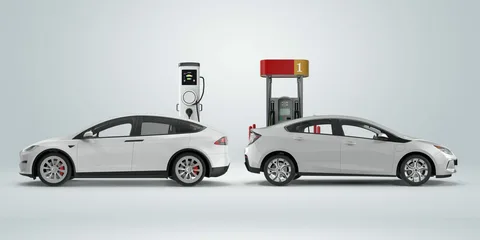
  • Electric Cars vs Petrol Cars: Which Is Better in 2026?

    Electric Cars vs Petrol Cars: Which Is Better in 2026?

    The choice between electric cars and petrol cars has become more complicated in 2026. Electric vehicles have continued to improve, while petrol-powered cars remain popular because of their established infrastructure, familiar driving experience, and convenience for long-distance travel.

    For someone buying a car today, the decision is no longer simply about choosing the newest technology. Factors such as purchase price, fuel or electricity costs, charging availability, maintenance, driving range, performance, and local infrastructure all matter.

    So, which is better in 2026: an electric car or a petrol car?

    The answer depends largely on how and where you drive.

    What Is an Electric Car?

    An electric vehicle, commonly called an EV, uses one or more electric motors powered by a rechargeable battery.

    Unlike a conventional petrol car, an EV does not need a traditional internal-combustion engine to move the vehicle.

    Electric cars are charged using electricity. Depending on the vehicle and charger, charging can take anywhere from a relatively short period to several hours.

    Many EVs also use regenerative braking, which allows some energy normally lost during braking to be recovered and sent back to the battery.

    What Is a Petrol Car?

    A petrol car uses an internal-combustion engine. Petrol is mixed with air and burned inside the engine to create the energy required to move the vehicle.

    Petrol-powered vehicles have been around for more than a century, which means there is an extensive infrastructure supporting them.

    Fuel stations are widely available in many countries, and mechanics are generally familiar with repairing conventional engines.

    Purchase Price

    One of the first things buyers consider is the initial purchase price.

    Electric cars can be more expensive than comparable petrol vehicles in some markets, although the price gap varies considerably by model and country.

    Battery technology has improved and EV manufacturers have introduced models across more price categories.

    Petrol cars, meanwhile, remain available at many different price points.

    For buyers with a limited budget, petrol vehicles can therefore still offer a wider selection depending on the local market.

    However, purchase price is only one part of the overall cost of owning a car.

    Fuel Costs vs Charging Costs

    One major advantage of an electric vehicle can be its energy cost.

    Electricity can be cheaper per kilometer than petrol, particularly for owners who can charge at home and have access to favorable electricity rates.

    The actual savings depend on electricity prices, petrol prices, vehicle efficiency, and driving habits.

    Public charging can also be more expensive than home charging, so EV owners should consider where most of their charging will take place.

    Petrol cars offer a simpler system. You visit a fuel station, fill the tank, and continue driving.

    Maintenance Costs

    Electric cars generally have fewer moving parts in their powertrains than petrol vehicles.

    They do not require traditional engine oil changes, and they lack many components associated with conventional engines.

    This can reduce some routine maintenance requirements.

    Petrol cars require regular maintenance such as oil changes, engine servicing, filter replacement, and other mechanical inspections.

    However, EVs still require maintenance. Tires, brakes, suspension components, cooling systems, electronics, and other parts can require inspection or replacement.

    Driving Range

    Range is one of the biggest considerations for EV buyers.

    Modern electric cars can travel significantly farther on a single charge than many earlier EVs could. However, the actual range varies according to battery size, vehicle efficiency, speed, weather, terrain, and driving style.

    Petrol cars generally offer a familiar advantage for long-distance travel. A driver can refuel at a petrol station in a few minutes and continue the journey.

    This can make petrol cars particularly convenient in areas where charging infrastructure is limited.

    Charging Infrastructure

    Charging availability is one of the most important factors when considering an electric car.

    Drivers who have a home charger may find EV ownership extremely convenient. They can often charge the vehicle while sleeping or while the car is parked at home.

    People who live in apartments or areas without convenient charging may have a more difficult experience.

    Public charging networks are expanding in many parts of the world, but availability and reliability can vary greatly from one location to another.

    Petrol vehicles have a major advantage here because fuel stations are already widespread in many regions.

    Performance

    Electric vehicles are known for their immediate torque.

    When the accelerator is pressed, an electric motor can deliver strong acceleration almost instantly.

    This can make EVs feel very responsive, especially from a standstill.

    Petrol cars can also offer impressive performance, particularly vehicles equipped with turbocharged or high-performance engines.

    However, the driving experience is different.

    EVs tend to be quiet and smooth, while petrol vehicles provide engine sounds and gear changes that some drivers enjoy.

    Environmental Impact

    Environmental impact is another important part of the comparison.

    Electric cars produce no tailpipe emissions while driving. This can help reduce local air pollution, particularly in cities.

    However, EVs are not completely impact-free.

    Battery production requires raw materials and energy, while electricity generation can produce emissions depending on how the electricity is produced.

    Petrol cars directly produce exhaust emissions when fuel is burned.

    The overall environmental impact of either vehicle depends on factors including manufacturing, energy sources, vehicle efficiency, driving distance, and how the vehicle is eventually recycled.

    Battery Life

    Battery technology is a major concern for potential EV buyers.

    Modern electric vehicle batteries are designed to last for many years, but their capacity can gradually decrease over time.

    Manufacturers typically provide battery warranties with specific conditions and mileage limits.

    Battery replacement can be expensive outside warranty coverage, although battery prices, technology, repair methods, and recycling processes continue to evolve.

    Petrol cars also experience component wear as they age. Engines, transmissions, cooling systems, exhaust components, and other mechanical parts may eventually require significant repairs.

    Resale Value

    Resale value can vary significantly between individual models.

    Some petrol vehicles maintain strong resale values because of reliability, brand reputation, demand, and availability.

    Electric vehicle resale values can depend on battery condition, technology updates, charging standards, new-model pricing, and buyer demand.

    Because EV technology is developing quickly, older electric vehicles can sometimes appear less attractive when newer models offer longer range or faster charging.

    Buyers planning to sell their vehicle after a few years should consider depreciation as part of the total ownership cost.

    Driving Experience

    The driving experience is noticeably different between the two technologies.

    Electric vehicles are usually quiet and smooth. Acceleration can be immediate, and the absence of traditional gear changes creates a different sensation.

    Some EVs also offer one-pedal driving, where releasing the accelerator can slow the vehicle significantly through regenerative braking.

    Petrol cars provide a more traditional driving experience.

    Many drivers enjoy the sound of an engine, the sensation of changing gears, and the mechanical character of conventional vehicles.

    Neither experience is necessarily better. It comes down to personal preference.

    Which Is Better for City Driving?

    Electric vehicles can be excellent for city driving.

    Frequent stopping and starting can benefit from regenerative braking, while home charging can make daily use convenient.

    EVs are also quiet and can be very efficient in urban conditions.

    Petrol cars remain practical for city drivers who do not have access to charging or who want the flexibility to refuel quickly.

    Which Is Better for Long-Distance Driving?

    Petrol cars currently remain very convenient for many long-distance drivers because fuel stations are widely established and refueling takes relatively little time.

    Electric cars can also handle long trips, particularly when reliable fast-charging infrastructure is available.

    However, drivers need to plan charging stops more carefully than they would plan petrol stops.

    For someone who regularly drives between cities or through areas with limited charging infrastructure, a petrol vehicle may still be the easier option.

    Which Is Better for Nigerian Drivers?

    The answer can depend heavily on location and access to infrastructure.

    For Nigerian drivers, important considerations include the availability of charging stations, electricity reliability, access to home charging, spare parts, servicing expertise, road conditions, and the availability of petrol.

    An EV may make sense for someone who has reliable access to charging and primarily drives within an area with suitable infrastructure.

    A petrol vehicle may remain more convenient for drivers who frequently travel long distances or operate in areas where EV charging is limited.

    Electric vs Petrol: Quick Comparison

    FeatureElectric CarPetrol Car
    Energy sourceElectricityPetrol
    Tailpipe emissionsNoneYes
    Refueling/chargingCharging requiredQuick refueling
    Routine maintenanceGenerally lowerGenerally higher
    Long-distance convenienceDepends on charging networkGenerally high
    Driving experienceQuiet and instant torqueTraditional engine feel
    Home energy optionYesNo
    InfrastructureGrowingWidely established

    Should You Buy an Electric or Petrol Car in 2026?

    Choose an electric car if:

    • You have reliable access to charging.
    • Most of your driving is within a predictable range.
    • You want quiet and smooth performance.
    • You want to reduce tailpipe emissions.
    • You are comfortable planning longer trips around charging.

    Choose a petrol car if:

    • You frequently travel long distances.
    • Charging infrastructure is limited where you live.
    • You need quick refueling.
    • You want a wider selection of conventional vehicles.
    • You prefer traditional engine performance.

    There is also a third option worth considering: hybrid vehicles.

    Hybrids combine an internal-combustion engine with electric assistance and can provide a compromise between traditional fueling and electrification.

    Final Verdict

    Electric cars and petrol cars both have advantages in 2026.

    Electric vehicles offer quiet operation, instant torque, potentially lower energy and maintenance costs, and zero tailpipe emissions. Petrol vehicles continue to provide excellent refueling convenience, established infrastructure, and familiarity.

    The right choice depends on your budget, driving habits, location, access to charging, and long-term ownership plans.

    For a driver with reliable home charging and mostly urban travel, an EV can be an excellent choice. For someone who regularly travels long distances through areas with limited charging infrastructure, a petrol vehicle may still be more practical.

    Instead of asking which technology is universally better, the smarter question is: which one fits your lifestyle better?

  • Best Cars to Buy in 2026: Price, Features and Performance

    Best Cars to Buy in 2026: Price, Features and Performance

    Choosing a new car in 2026 can be exciting, but it can also be confusing. Buyers now have more options than ever, including petrol cars, hybrids, electric vehicles, compact SUVs, family vehicles, luxury models, and performance cars.

    The best car for one person may not be the best choice for another. A city driver may prioritize fuel economy and easy parking, while a family may need a spacious SUV with strong safety features. Someone who drives long distances may care more about reliability, comfort, and range.

    This guide looks at some of the key factors to consider when choosing a car in 2026, including price, features, performance, fuel economy, technology, and practicality.

    What Makes a Car Worth Buying in 2026?

    The automotive market has changed significantly in recent years. Buyers are no longer looking only at engine size and exterior design.

    Modern car shoppers often consider:

    • Purchase price
    • Fuel economy
    • Reliability
    • Safety technology
    • Interior space
    • Maintenance costs
    • Infotainment features
    • Driver-assistance systems
    • Electric or hybrid technology
    • Resale value

    A good car should provide a balance between these factors rather than being excellent in only one area.

    1. Toyota Camry

    The Toyota Camry remains a strong option for buyers looking for a practical midsize sedan.

    One of its major advantages is its reputation for reliability. The Camry also offers a comfortable interior, modern technology, and an efficient hybrid option in many markets.

    For people who want a traditional sedan without giving up modern features, the Camry is worth considering.

    Key Features

    • Comfortable cabin
    • Hybrid powertrain availability
    • Modern infotainment system
    • Advanced safety technology
    • Good fuel efficiency

    Best For

    The Camry is particularly suitable for commuters, families, and drivers who want a dependable everyday vehicle.

    2. Honda Accord

    The Honda Accord continues to compete strongly in the midsize sedan category.

    It combines practical interior space with a comfortable ride and modern technology. Depending on the market and trim, buyers can also find hybrid technology designed to reduce fuel consumption.

    The Accord is a good choice for someone who wants a vehicle that works equally well for daily commuting and longer road trips.

    Key Features

    • Spacious cabin
    • Comfortable ride
    • Available hybrid technology
    • Strong safety features
    • Large trunk

    Best For

    The Accord is ideal for families, commuters, and drivers who prefer sedans over SUVs.

    3. Toyota RAV4

    SUVs remain extremely popular, and the Toyota RAV4 is one of the models worth considering in 2026.

    Its combination of practicality, efficiency, cargo space, and available electrified powertrains makes it attractive to a wide range of buyers.

    The higher driving position also provides the visibility many SUV buyers prefer.

    Key Features

    • Spacious interior
    • Flexible cargo area
    • Available hybrid technology
    • Driver-assistance features
    • Practical design

    Best For

    The RAV4 is a strong option for families and people who want SUV practicality without moving into a very large vehicle.

    4. Honda CR-V

    The Honda CR-V is another popular compact SUV.

    It offers a comfortable interior, useful cargo space, and modern technology. Hybrid versions can also provide improved fuel efficiency for buyers who want to reduce their dependence on petrol.

    The CR-V is particularly attractive to buyers who want a practical family vehicle that remains relatively easy to drive around town.

    5. Tesla Model 3

    For buyers interested in electric vehicles, the Tesla Model 3 remains an important model to consider.

    Its appeal comes from its electric powertrain, software-focused design, charging ecosystem, and strong acceleration in performance-oriented versions.

    Electric vehicles can also provide lower energy costs than petrol vehicles in situations where charging is convenient and electricity prices are favorable.

    Key Features

    • Fully electric powertrain
    • Strong acceleration
    • Software-focused controls
    • Advanced driver-assistance options
    • Minimalist interior

    Best For

    The Model 3 can be suitable for drivers who want an electric sedan for commuting and everyday driving.

    6. Hyundai Tucson

    The Hyundai Tucson is another compact SUV that deserves attention.

    It combines a distinctive exterior design with a modern interior and a range of technology features. Depending on the market, buyers may have access to petrol, hybrid, or plug-in hybrid versions.

    This variety allows customers to choose a powertrain that fits their driving habits.

    7. Kia Sportage

    The Kia Sportage stands out for its bold styling, roomy cabin, and technology-focused interior.

    It offers many of the features modern buyers expect from a family SUV while remaining in the compact SUV category.

    For buyers who want technology and practicality without immediately moving into a luxury vehicle, the Sportage can be an appealing option.

    8. Ford Mustang

    Not everyone shopping for a new car wants maximum practicality.

    For drivers who value performance and driving enjoyment, the Ford Mustang remains an interesting choice.

    The Mustang offers a long-running performance-car formula with powerful engines, sporty handling, and distinctive styling.

    It is less practical than a family SUV, but that is not necessarily its purpose.

    Best For

    The Mustang is designed for drivers who prioritize performance, personality, and driving enjoyment.

    9. BMW 3 Series

    For buyers looking at the premium segment, the BMW 3 Series remains a major competitor.

    It combines luxury features with sporty driving characteristics and a variety of powertrain options.

    The 3 Series is particularly attractive to drivers who want a vehicle that can serve as both a comfortable daily car and an enjoyable performance-oriented vehicle.

    10. Mercedes-Benz C-Class

    The Mercedes-Benz C-Class is another popular premium sedan.

    It focuses heavily on interior design, technology, comfort, and premium materials.

    For buyers who want a luxury vehicle with a relatively manageable size, the C-Class can be a strong candidate.

    Petrol vs Hybrid vs Electric Cars in 2026

    One of the biggest decisions facing buyers is which type of powertrain to choose.

    Petrol Cars

    Petrol vehicles remain useful because fuel stations are widely available in many regions and long-distance travel does not require planning around charging infrastructure.

    They can be especially practical for drivers who frequently travel long distances.

    Hybrid Cars

    Hybrids combine an internal-combustion engine with electric assistance.

    They can reduce fuel consumption, particularly in city driving, without requiring drivers to depend entirely on charging infrastructure.

    Electric Cars

    Electric vehicles produce no tailpipe emissions and can offer quiet operation and instant torque.

    However, buyers should consider charging availability, driving patterns, purchase price, battery warranty, and local electricity costs before choosing an EV.

    Important Features to Look For

    Regardless of which car you choose, there are several features worth prioritizing.

    Safety Technology

    Look for features such as automatic emergency braking, lane-departure warnings, blind-spot monitoring, adaptive cruise control, and parking assistance.

    Fuel Efficiency

    A vehicle that uses less fuel can save money over thousands of kilometers of driving.

    Comfort

    If you spend several hours behind the wheel every week, comfortable seats, good visibility, effective climate control, and low cabin noise can make a significant difference.

    Technology

    Modern infotainment systems, smartphone connectivity, navigation, digital displays, and useful driver-assistance technology can improve the ownership experience.

    How Much Should You Spend on a Car?

    There is no universal amount that every buyer should spend.

    Instead of looking only at the sticker price, consider the total cost of ownership.

    This can include:

    • Financing costs
    • Insurance
    • Fuel or electricity
    • Maintenance
    • Repairs
    • Tires
    • Registration
    • Depreciation

    A cheaper vehicle can sometimes become more expensive over time if it has high fuel consumption or maintenance costs.

    How to Choose the Right Car

    Before visiting a dealership, make a list of your priorities.

    Ask yourself:

    1. How many people will regularly use the car?
    2. How far do I drive each week?
    3. Do I have convenient access to EV charging?
    4. Do I need a large cargo area?
    5. Is fuel economy important?
    6. How much can I comfortably spend?
    7. Do I prioritize performance or comfort?
    8. How long do I plan to keep the vehicle?

    Answering these questions can quickly narrow down your options.

    Final Thoughts

    The best cars to buy in 2026 depend heavily on individual needs and budget.

    Models such as the Toyota Camry and Honda Accord can appeal to sedan buyers, while the Toyota RAV4, Honda CR-V, Hyundai Tucson, and Kia Sportage offer practical SUV alternatives. Electric options such as the Tesla Model 3 may appeal to drivers ready to switch away from petrol, while performance and luxury buyers have options such as the Ford Mustang, BMW 3 Series, and Mercedes-Benz C-Class.

    Before purchasing, compare the exact model, trim, pricing, warranty, fuel economy, safety equipment, and availability in your local market. Prices and specifications can vary considerably between countries.

    The smartest purchase is not necessarily the most expensive or most technologically advanced car. It is the one that fits your budget, driving habits, lifestyle, and long-term ownership plans.

    Choosing a new car in 2026 can be exciting, but it can also be confusing. Buyers now have more options than ever, including petrol cars, hybrids, electric vehicles, compact SUVs, family vehicles, luxury models, and performance cars.

    The best car for one person may not be the best choice for another. A city driver may prioritize fuel economy and easy parking, while a family may need a spacious SUV with strong safety features. Someone who drives long distances may care more about reliability, comfort, and range.

    This guide looks at some of the key factors to consider when choosing a car in 2026, including price, features, performance, fuel economy, technology, and practicality.

    What Makes a Car Worth Buying in 2026?

    The automotive market has changed significantly in recent years. Buyers are no longer looking only at engine size and exterior design.

    Modern car shoppers often consider:

    • Purchase price
    • Fuel economy
    • Reliability
    • Safety technology
    • Interior space
    • Maintenance costs
    • Infotainment features
    • Driver-assistance systems
    • Electric or hybrid technology
    • Resale value

    A good car should provide a balance between these factors rather than being excellent in only one area.

    1. Toyota Camry

    The Toyota Camry remains a strong option for buyers looking for a practical midsize sedan.

    One of its major advantages is its reputation for reliability. The Camry also offers a comfortable interior, modern technology, and an efficient hybrid option in many markets.

    For people who want a traditional sedan without giving up modern features, the Camry is worth considering.

    Key Features

    • Comfortable cabin
    • Hybrid powertrain availability
    • Modern infotainment system
    • Advanced safety technology
    • Good fuel efficiency

    Best For

    The Camry is particularly suitable for commuters, families, and drivers who want a dependable everyday vehicle.

    2. Honda Accord

    The Honda Accord continues to compete strongly in the midsize sedan category.

    It combines practical interior space with a comfortable ride and modern technology. Depending on the market and trim, buyers can also find hybrid technology designed to reduce fuel consumption.

    The Accord is a good choice for someone who wants a vehicle that works equally well for daily commuting and longer road trips.

    Key Features

    • Spacious cabin
    • Comfortable ride
    • Available hybrid technology
    • Strong safety features
    • Large trunk

    Best For

    The Accord is ideal for families, commuters, and drivers who prefer sedans over SUVs.

    3. Toyota RAV4

    SUVs remain extremely popular, and the Toyota RAV4 is one of the models worth considering in 2026.

    Its combination of practicality, efficiency, cargo space, and available electrified powertrains makes it attractive to a wide range of buyers.

    The higher driving position also provides the visibility many SUV buyers prefer.

    Key Features

    • Spacious interior
    • Flexible cargo area
    • Available hybrid technology
    • Driver-assistance features
    • Practical design

    Best For

    The RAV4 is a strong option for families and people who want SUV practicality without moving into a very large vehicle.

    4. Honda CR-V

    The Honda CR-V is another popular compact SUV.

    It offers a comfortable interior, useful cargo space, and modern technology. Hybrid versions can also provide improved fuel efficiency for buyers who want to reduce their dependence on petrol.

    The CR-V is particularly attractive to buyers who want a practical family vehicle that remains relatively easy to drive around town.

    5. Tesla Model 3

    For buyers interested in electric vehicles, the Tesla Model 3 remains an important model to consider.

    Its appeal comes from its electric powertrain, software-focused design, charging ecosystem, and strong acceleration in performance-oriented versions.

    Electric vehicles can also provide lower energy costs than petrol vehicles in situations where charging is convenient and electricity prices are favorable.

    Key Features

    • Fully electric powertrain
    • Strong acceleration
    • Software-focused controls
    • Advanced driver-assistance options
    • Minimalist interior

    Best For

    The Model 3 can be suitable for drivers who want an electric sedan for commuting and everyday driving.

    6. Hyundai Tucson

    The Hyundai Tucson is another compact SUV that deserves attention.

    It combines a distinctive exterior design with a modern interior and a range of technology features. Depending on the market, buyers may have access to petrol, hybrid, or plug-in hybrid versions.

    This variety allows customers to choose a powertrain that fits their driving habits.

    7. Kia Sportage

    The Kia Sportage stands out for its bold styling, roomy cabin, and technology-focused interior.

    It offers many of the features modern buyers expect from a family SUV while remaining in the compact SUV category.

    For buyers who want technology and practicality without immediately moving into a luxury vehicle, the Sportage can be an appealing option.

    8. Ford Mustang

    Not everyone shopping for a new car wants maximum practicality.

    For drivers who value performance and driving enjoyment, the Ford Mustang remains an interesting choice.

    The Mustang offers a long-running performance-car formula with powerful engines, sporty handling, and distinctive styling.

    It is less practical than a family SUV, but that is not necessarily its purpose.

    Best For

    The Mustang is designed for drivers who prioritize performance, personality, and driving enjoyment.

    9. BMW 3 Series

    For buyers looking at the premium segment, the BMW 3 Series remains a major competitor.

    It combines luxury features with sporty driving characteristics and a variety of powertrain options.

    The 3 Series is particularly attractive to drivers who want a vehicle that can serve as both a comfortable daily car and an enjoyable performance-oriented vehicle.

    10. Mercedes-Benz C-Class

    The Mercedes-Benz C-Class is another popular premium sedan.

    It focuses heavily on interior design, technology, comfort, and premium materials.

    For buyers who want a luxury vehicle with a relatively manageable size, the C-Class can be a strong candidate.

    Petrol vs Hybrid vs Electric Cars in 2026

    One of the biggest decisions facing buyers is which type of powertrain to choose.

    Petrol Cars

    Petrol vehicles remain useful because fuel stations are widely available in many regions and long-distance travel does not require planning around charging infrastructure.

    They can be especially practical for drivers who frequently travel long distances.

    Hybrid Cars

    Hybrids combine an internal-combustion engine with electric assistance.

    They can reduce fuel consumption, particularly in city driving, without requiring drivers to depend entirely on charging infrastructure.

    Electric Cars

    Electric vehicles produce no tailpipe emissions and can offer quiet operation and instant torque.

    However, buyers should consider charging availability, driving patterns, purchase price, battery warranty, and local electricity costs before choosing an EV.

    Important Features to Look For

    Regardless of which car you choose, there are several features worth prioritizing.

    Safety Technology

    Look for features such as automatic emergency braking, lane-departure warnings, blind-spot monitoring, adaptive cruise control, and parking assistance.

    Fuel Efficiency

    A vehicle that uses less fuel can save money over thousands of kilometers of driving.

    Comfort

    If you spend several hours behind the wheel every week, comfortable seats, good visibility, effective climate control, and low cabin noise can make a significant difference.

    Technology

    Modern infotainment systems, smartphone connectivity, navigation, digital displays, and useful driver-assistance technology can improve the ownership experience.

    How Much Should You Spend on a Car?

    There is no universal amount that every buyer should spend.

    Instead of looking only at the sticker price, consider the total cost of ownership.

    This can include:

    • Financing costs
    • Insurance
    • Fuel or electricity
    • Maintenance
    • Repairs
    • Tires
    • Registration
    • Depreciation

    A cheaper vehicle can sometimes become more expensive over time if it has high fuel consumption or maintenance costs.

    How to Choose the Right Car

    Before visiting a dealership, make a list of your priorities.

    Ask yourself:

    1. How many people will regularly use the car?
    2. How far do I drive each week?
    3. Do I have convenient access to EV charging?
    4. Do I need a large cargo area?
    5. Is fuel economy important?
    6. How much can I comfortably spend?
    7. Do I prioritize performance or comfort?
    8. How long do I plan to keep the vehicle?

    Answering these questions can quickly narrow down your options.

    Final Thoughts

    The best cars to buy in 2026 depend heavily on individual needs and budget.

    Models such as the Toyota Camry and Honda Accord can appeal to sedan buyers, while the Toyota RAV4, Honda CR-V, Hyundai Tucson, and Kia Sportage offer practical SUV alternatives. Electric options such as the Tesla Model 3 may appeal to drivers ready to switch away from petrol, while performance and luxury buyers have options such as the Ford Mustang, BMW 3 Series, and Mercedes-Benz C-Class.

    Before purchasing, compare the exact model, trim, pricing, warranty, fuel economy, safety equipment, and availability in your local market. Prices and specifications can vary considerably between countries.

    The smartest purchase is not necessarily the most expensive or most technologically advanced car. It is the one that fits your budget, driving habits, lifestyle, and long-term ownership plans.