Wireless internet technology continues to evolve as people connect more devices to their home and business networks.
From smartphones and laptops to smart TVs, gaming consoles, security cameras, and smart-home devices, modern networks can become extremely busy.
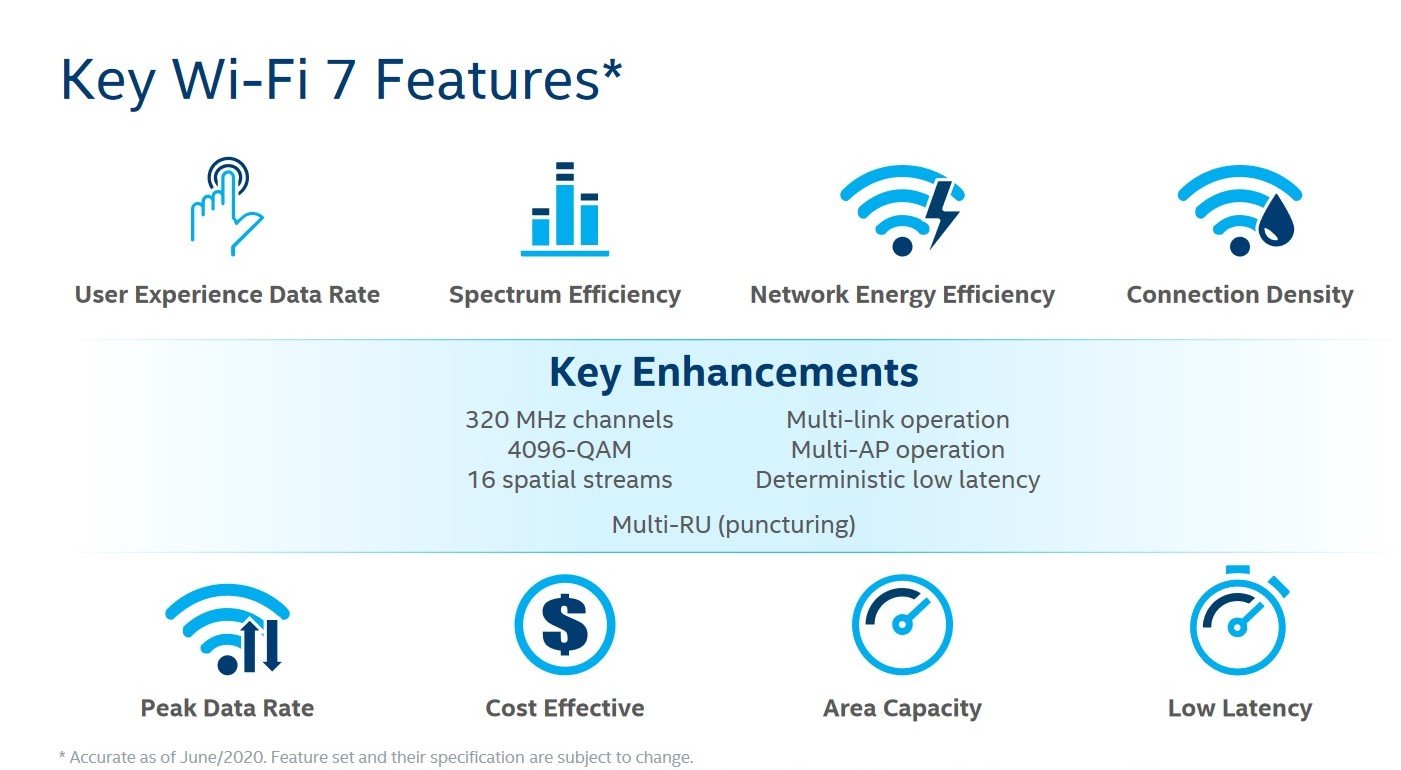
Wi-Fi 7 is designed to provide faster wireless performance, greater capacity, and improved reliability compared with previous Wi-Fi generations.
What Is Wi-Fi 7?
Wi-Fi 7 is the consumer-friendly name for the IEEE 802.11be wireless networking standard.
It is designed to improve wireless throughput, latency, and reliability.
However, achieving the maximum theoretical performance requires compatible hardware, suitable network conditions, and appropriate broadband service.
Faster Wireless Speeds
One of the biggest attractions of Wi-Fi 7 is its potential for extremely high wireless throughput.
The actual speed experienced by users will depend on the router, client device, channel conditions, distance, interference, and internet connection.
A faster Wi-Fi standard does not automatically make a slow broadband connection faster.
Multi-Link Operation
One of Wi-Fi 7’s important technologies is Multi-Link Operation.
This allows compatible devices to use multiple wireless links in ways designed to improve performance and reliability.
Instead of relying on a single connection path, supported devices can make more intelligent use of available wireless resources.
Wider Channels
Wi-Fi 7 supports very wide channels, including up to 320MHz in supported configurations.
Wider channels can provide greater throughput.
However, availability depends on regional spectrum regulations and the equipment being used.
4096-QAM
Wi-Fi 7 also increases modulation capability through 4096-QAM.
This can allow more data to be transmitted within the same amount of wireless spectrum under suitable conditions.
The benefits are most noticeable when the signal is strong and the client device supports the technology.
Wi-Fi 7 for Gaming
Gamers can benefit from improved wireless performance and potentially lower latency.
However, latency depends on more than Wi-Fi.
Internet routing, the game server, broadband quality, congestion, and network configuration all influence ping.
For competitive gaming, wired Ethernet can still provide a very consistent connection.
Wi-Fi 7 for Streaming
High-resolution video streaming can consume significant bandwidth.
Wi-Fi 7 can provide additional network capacity for homes with multiple devices streaming simultaneously.
This is especially useful when several people are using high-bandwidth applications at the same time.
Wi-Fi 7 for Smart Homes
Smart homes may contain dozens of connected devices.
Although many smart-home devices use relatively little bandwidth, the number of devices can create network-management challenges.
Wi-Fi 7 can provide additional capacity for networks with demanding devices such as cameras, TVs, computers, and gaming systems.
Do You Need a Wi-Fi 7 Router?
Not everyone needs Wi-Fi 7 immediately.
If your current Wi-Fi network is reliable and your devices do not support Wi-Fi 7, upgrading may provide limited benefits.
A Wi-Fi 7 router becomes more attractive if you have:
- Fast broadband
- Many connected devices
- Wi-Fi 7-compatible phones
- Modern laptops
- High-resolution streaming
- Wireless gaming
- Large local network transfers
Wi-Fi 7 in Nigeria
Nigerian users should consider the quality and speed of their internet connection before investing in expensive networking hardware.
If your broadband service is relatively slow, upgrading from Wi-Fi 6 to Wi-Fi 7 may not produce a dramatic improvement in internet browsing.
However, Wi-Fi 7 can still be useful for local networking between compatible devices.
Wi-Fi 7 vs Wi-Fi 6
Wi-Fi 6 already provides excellent performance for many households.
Wi-Fi 7 introduces newer technologies designed to increase throughput and improve responsiveness.
The decision to upgrade depends on your devices, broadband speed, network congestion, and budget.
Final Thoughts
Wi-Fi 7 represents another major step in wireless networking.
Its support for wider channels, advanced modulation, and Multi-Link Operation can provide impressive performance when compatible hardware is used under favorable conditions.
However, buying the newest router does not automatically transform a slow internet connection into a superhighway.
For users with fast broadband and modern devices, Wi-Fi 7 can provide valuable additional capacity and future-proofing.
For everyone else, a good Wi-Fi 6 router may continue to be more than enough.
Leave a Reply