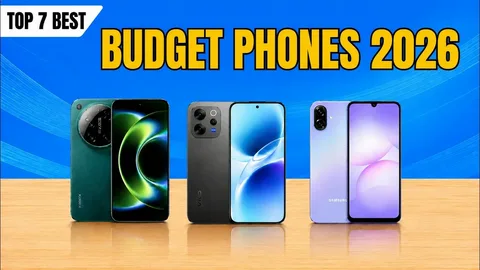
The smartphone market in 2026 offers more choices than ever. From premium flagship phones with powerful processors and advanced cameras to affordable devices designed for everyday use, buyers have plenty of options to consider.
A smartphone is no longer simply a device for making calls and sending messages. Modern phones are used for photography, gaming, banking, social media, work, entertainment, navigation, and artificial intelligence.
With so many models available, choosing the right smartphone can be difficult. The best phone depends on your budget, preferred operating system, camera requirements, battery expectations, and the features you use most.
Here are some of the major smartphones worth considering in 2026.
What Should You Look for in a Smartphone?
Before buying a new phone, it is important to look beyond the brand name.
Some of the most important specifications include:
- Processor performance
- RAM and storage
- Camera quality
- Battery capacity
- Charging speed
- Display quality
- Software support
- Build quality
- Connectivity
- Price
A powerful processor may be important for gamers, while someone who mainly uses WhatsApp, YouTube, Facebook, and email may benefit more from a good battery and reliable software support.
1. Apple iPhone 17 Pro Max
Apple’s Pro Max models traditionally target users who want a premium smartphone with powerful performance, advanced cameras, and a large display.
The iPhone 17 Pro Max is positioned toward people who want a high-end iOS experience and strong performance for photography, video recording, gaming, and productivity.
Key Features
- Premium display
- High-performance processor
- Advanced camera system
- Long-term software support
- Face ID security
- Strong video capabilities
The iPhone is also attractive to people already invested in Apple’s ecosystem, including Mac, iPad, Apple Watch, and AirPods.
2. Samsung Galaxy S26 Ultra
Samsung’s Ultra series is designed for users who want a feature-rich Android flagship.
The Galaxy S26 Ultra combines a large high-resolution display with powerful hardware, advanced cameras, productivity features, and Samsung’s software ecosystem.
Its large screen makes it particularly useful for watching videos, editing documents, browsing the internet, and multitasking.
Key Features
- Large premium display
- Advanced camera system
- Powerful processor
- S Pen functionality
- Strong multitasking capabilities
- Premium construction
The S26 Ultra is a particularly interesting option for Android users who want as many features as possible in one device.
3. Google Pixel 10 Pro
Google’s Pixel phones have become known for their photography and clean Android experience.
The Pixel 10 Pro is aimed at users who want strong computational photography, Google’s software features, and a relatively straightforward Android interface.
Google also integrates artificial intelligence deeply into its software experience.
Best For
The Pixel line can be a good choice for people who prioritize photography, software features, and Google’s Android ecosystem.
4. OnePlus 14
OnePlus continues to target consumers who want flagship-level performance without necessarily paying the highest premium prices.
A OnePlus flagship can be particularly attractive to users interested in fast performance, smooth displays, rapid charging, and gaming.
For people who spend a lot of time using demanding applications, a performance-focused smartphone can make a noticeable difference.
5. Xiaomi 16 Ultra
Xiaomi’s Ultra series targets users looking for high-end hardware and advanced camera capabilities.
The company has increasingly focused on premium photography, powerful processors, high-quality displays, and fast charging.
Availability and pricing can vary considerably between markets, so buyers should check local specifications before purchasing.
6. Samsung Galaxy Z Fold
Foldable smartphones have become increasingly practical.
Samsung’s Galaxy Z Fold series provides a large internal display that can make multitasking and productivity easier while still offering a smaller external screen for everyday use.
A foldable phone can be useful for people who frequently read documents, manage multiple applications, watch videos, or work from their phone.
However, foldables generally cost more than traditional smartphones and have a more complicated physical design.
7. iPhone 17
Not everyone needs a Pro Max smartphone.
A standard iPhone can offer much of the core iOS experience at a lower price than Apple’s top-end models.
For users who want a dependable phone for social media, photography, messaging, video, gaming, and everyday applications, the standard model may provide a better balance between price and features.
8. Samsung Galaxy A Series
Samsung’s Galaxy A series is designed for buyers who want many modern smartphone features without paying flagship prices.
Depending on the model, users can get large displays, multiple cameras, strong battery life, 5G connectivity, and modern Android software.
These phones are particularly relevant to students and budget-conscious buyers.
9. Google Pixel A Series
Google’s A-series phones provide an alternative for people who want Pixel software and photography features at a lower price.
They typically sacrifice some premium hardware features compared with Google’s Pro models while retaining many of the software advantages.
For everyday users, this can be an attractive combination.
10. Nothing Phone Series
Nothing has developed a distinctive identity through transparent-inspired designs and a minimalist software experience.
Its smartphones appeal to buyers who want something different from the conventional designs used by many major manufacturers.
The phones can be particularly interesting for consumers who care about design as much as specifications.
Smartphone Performance in 2026
Performance has become increasingly important as smartphones handle more demanding applications.
Modern processors are capable of running advanced games, editing high-resolution videos, processing photographs, and supporting AI features directly on the device.
For most ordinary users, however, buying the most powerful processor available may not be necessary.
A mid-range phone with sufficient RAM and optimized software can provide an excellent experience for messaging, browsing, social media, streaming, and everyday productivity.
Camera Quality
Smartphone cameras have improved dramatically.
Today’s phones can combine multiple camera sensors with computational photography to produce detailed images in challenging lighting conditions.
When comparing cameras, do not look only at megapixels.
Consider:
- Main camera quality
- Ultra-wide camera
- Telephoto capability
- Night photography
- Video stabilization
- Front camera quality
- Zoom performance
A phone with fewer megapixels can sometimes produce better photographs because image processing, sensor quality, lenses, and software also matter.
Battery Life and Charging
Battery life remains one of the most important smartphone features.
A phone with excellent performance is less useful if its battery constantly needs charging.
When comparing devices, consider both battery capacity and software efficiency.
Fast charging can also be valuable for people with busy schedules. A short charging session can provide enough power to continue using the phone for several hours.
Wireless charging is another convenience feature available on many premium models.
Display Technology
Smartphone displays have become brighter, smoother, and more energy-efficient.
Many modern phones use OLED or AMOLED panels, which can provide excellent contrast and deep blacks.
Higher refresh rates can also make scrolling and animations feel smoother.
For people who watch a lot of videos or play games, display quality can have a significant impact on the experience.
How Much RAM and Storage Do You Need?
The amount of RAM you need depends on how you use your phone.
For basic tasks such as messaging, browsing, and social media, a moderate amount of RAM is usually sufficient.
Heavy multitasking and gaming can benefit from additional memory.
Storage is equally important.
If you take many photos and videos, download games, or keep large files on your phone, choosing a higher storage capacity can prevent problems later.
Android vs iPhone in 2026
The choice between Android and iPhone remains largely a matter of personal preference.
iPhone Advantages
- Long software support
- Strong integration with Apple’s ecosystem
- Consistent performance
- Excellent video capabilities
- Simple device-to-device integration
Android Advantages
- More device choices
- Greater price variety
- More customization
- Foldable phone options
- Wide range of hardware features
Neither platform is universally better. The best choice depends on what you already use and which features matter most to you.
How to Choose the Best Smartphone
Before purchasing a phone, determine your priorities.
If photography is important, focus on camera performance.
If you play demanding games, prioritize processor performance, cooling, display refresh rate, and battery life.
If you mainly use social media and messaging, you may not need an expensive flagship.
Also consider software updates and warranty support. A phone that receives updates for several years can provide better long-term value.
Final Thoughts
The best smartphones to buy in 2026 range from premium flagship devices to affordable models designed for everyday users.
High-end options such as the iPhone 17 Pro Max and Samsung Galaxy S26 Ultra target consumers who want powerful hardware and advanced features. Google Pixel devices appeal to photography and software enthusiasts, while brands such as OnePlus, Xiaomi, Samsung, and Nothing provide alternatives across different price categories.
Instead of choosing a phone simply because it is popular, consider your actual needs. Think about your budget, camera requirements, battery expectations, storage needs, gaming habits, and preferred operating system.
The best smartphone is ultimately the one that gives you the features you need without making you pay for features you will rarely use.
Leave a Reply